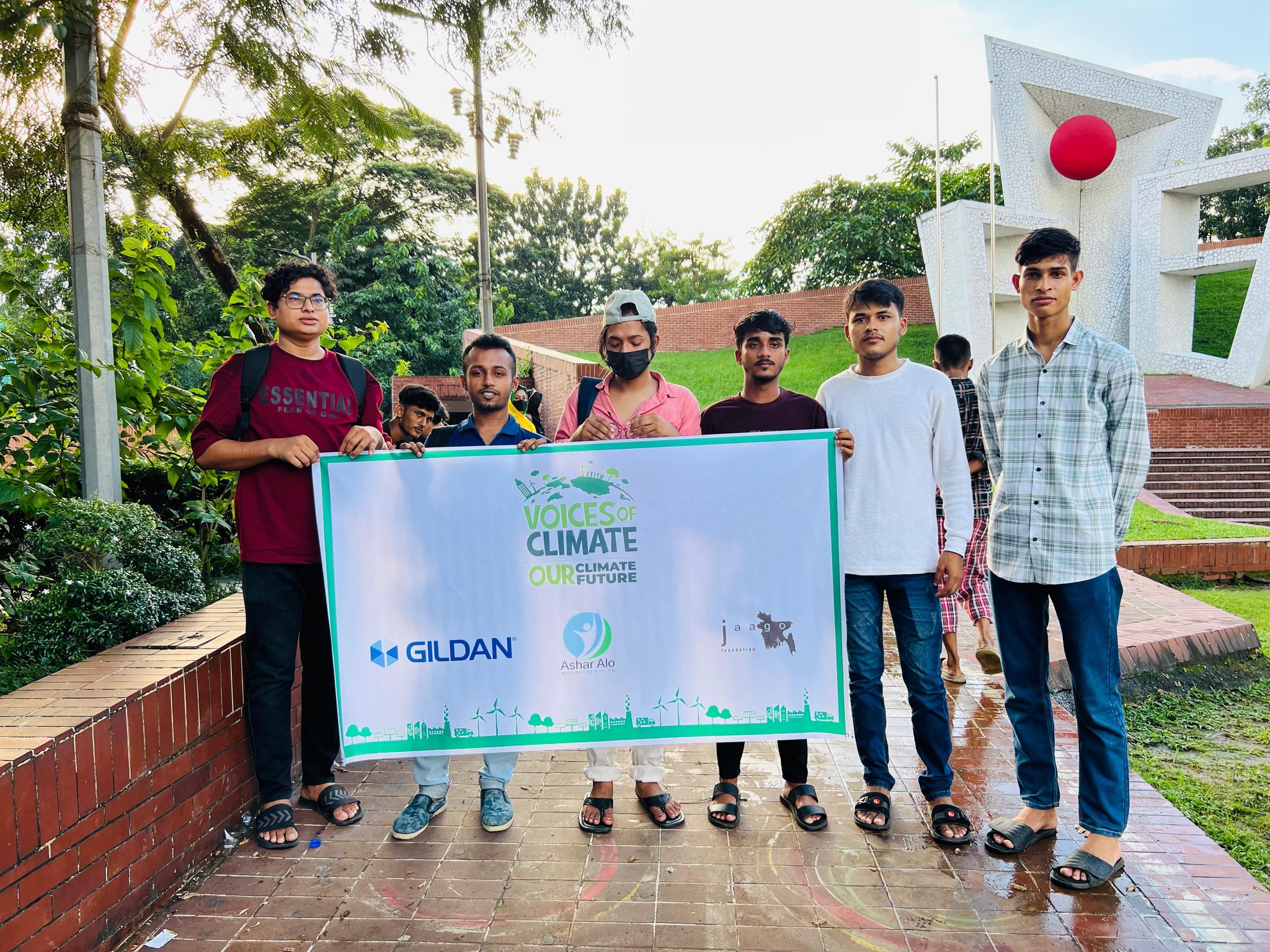
Ashar Alo Youth Welfare Association (AAYWA) is a rights-based, community-led organisation working at the intersection of gender justice, human rights, climate resilience, and youth empowerment in Sylhet Division, Bangladesh. Since 2019, we have been dedicated to transforming the lives of marginalised communities—including Hijra and transgender people, sex workers, street children, climate-displaced populations, women, youth, and other gender-diverse individuals—through holistic, survivor-centred, and intersectional programming.
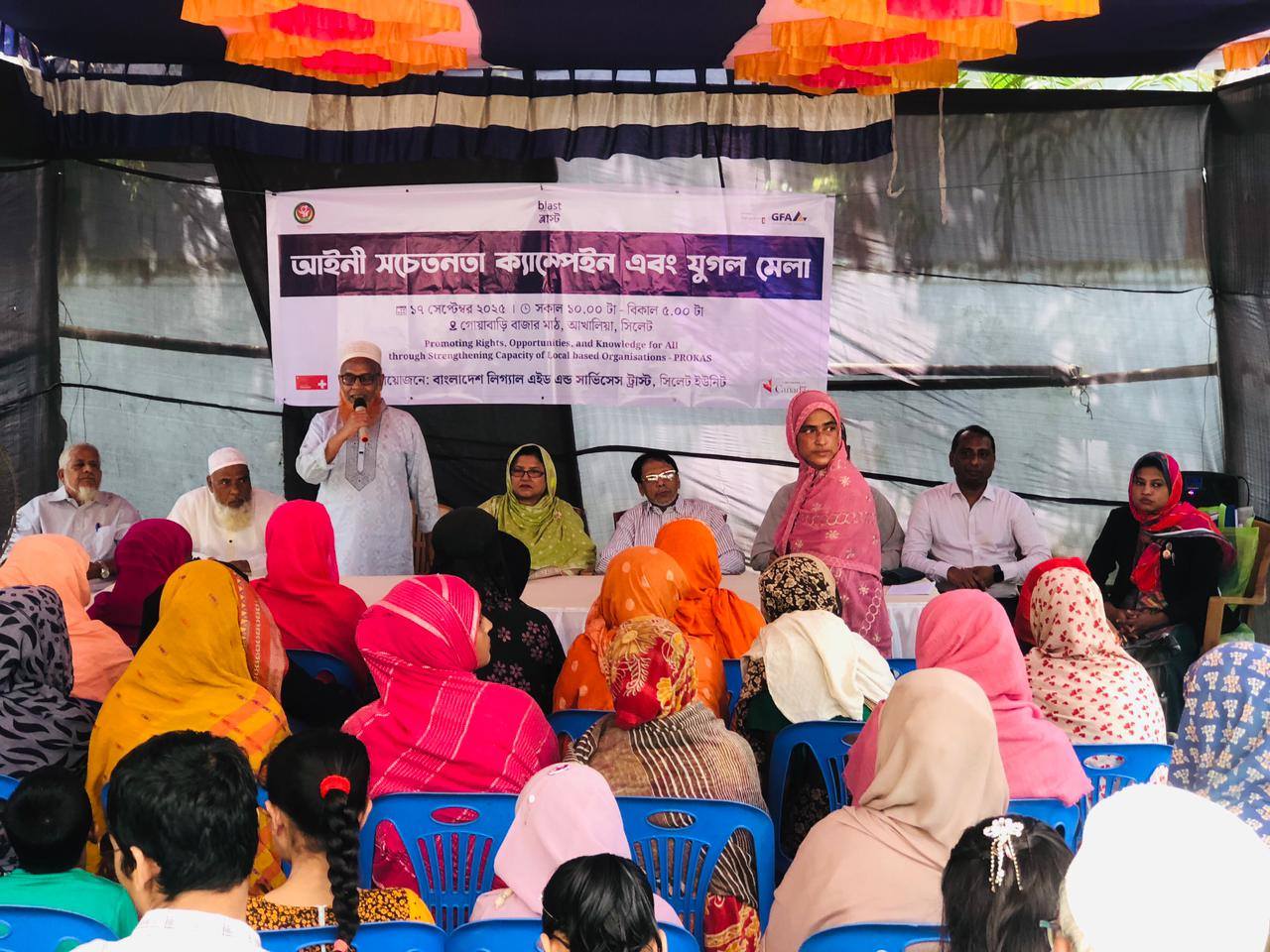
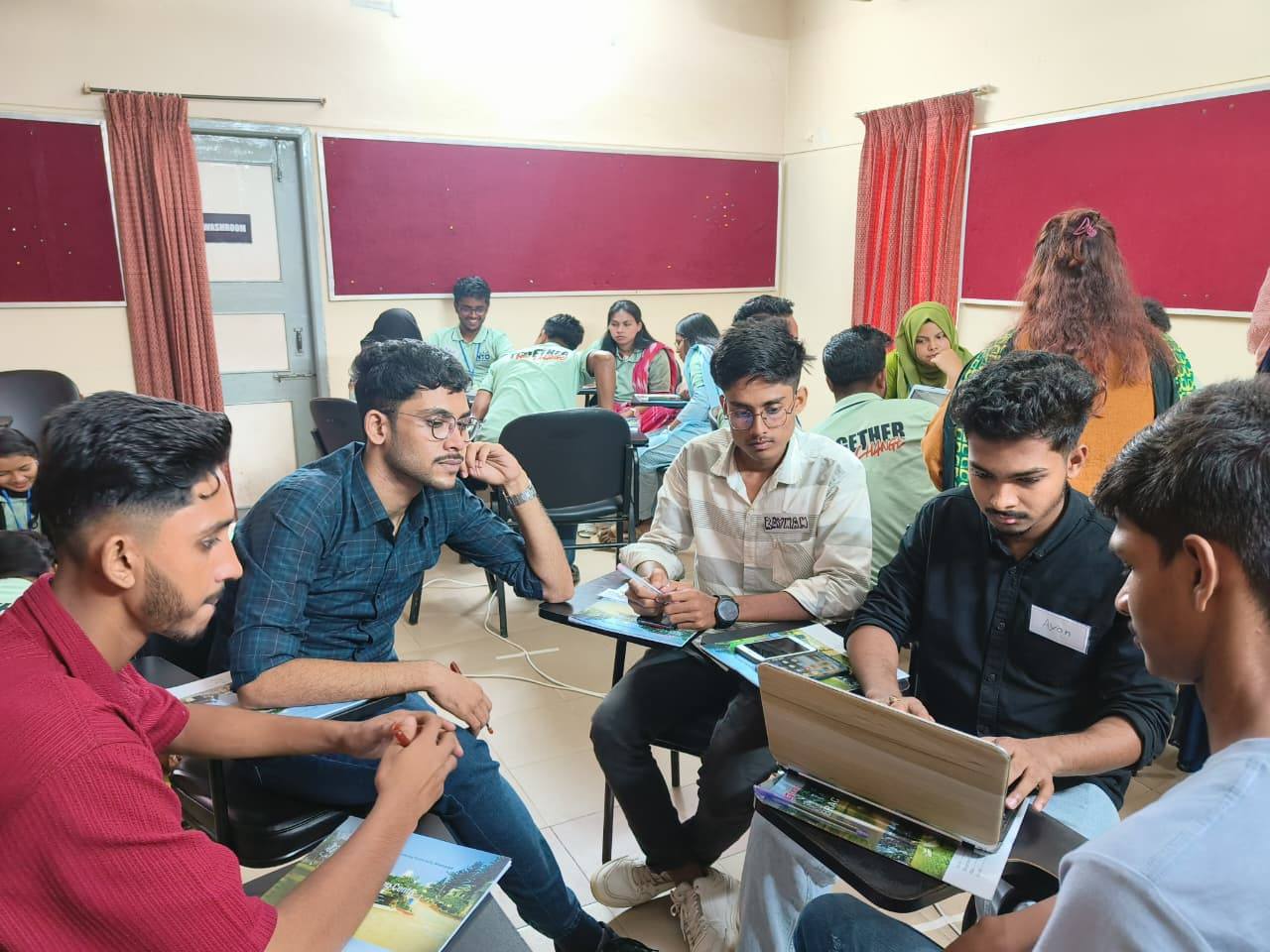
Officially registered with the Department of Youth Development in 2021, AAYWA operates on the principle that sustainable development is impossible without justice, dignity, and equal opportunities for all. Our work spans Sexual and Reproductive Health Rights (SRHR), mental health support, gender-based violence (GBV) prevention and response, climate change adaptation, women's empowerment, youth leadership development, and human rights advocacy.
Bangladesh's 68,000 villages are home to extraordinary cultural, religious, and ethnic diversity—Muslims, Hindus, Christians, Buddhists, and indigenous communities, including Gharo, Hajong, Santals, and Paharis, live in relative harmony. Yet beneath this diversity lies profound inequality and systemic marginalisation.
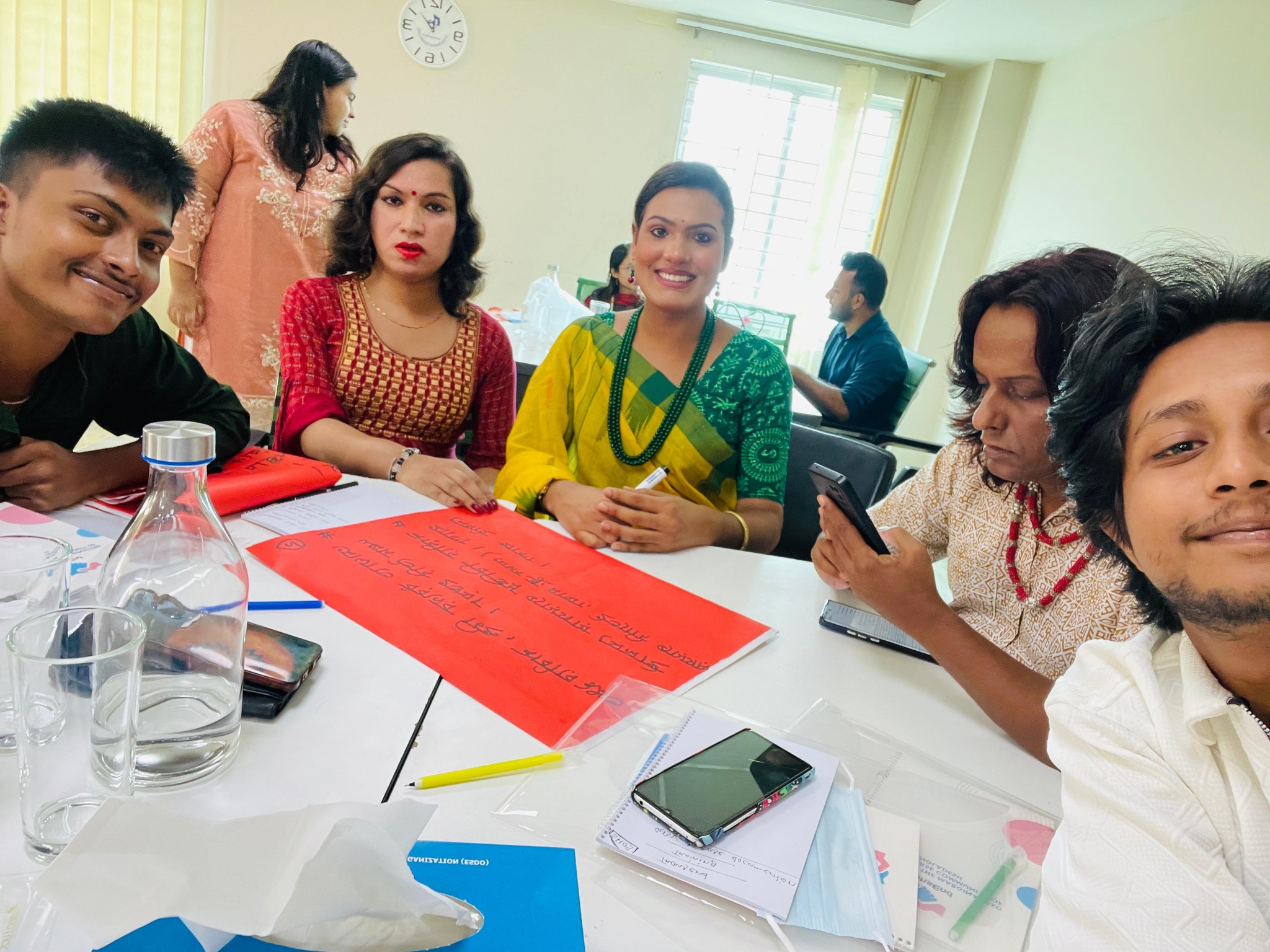
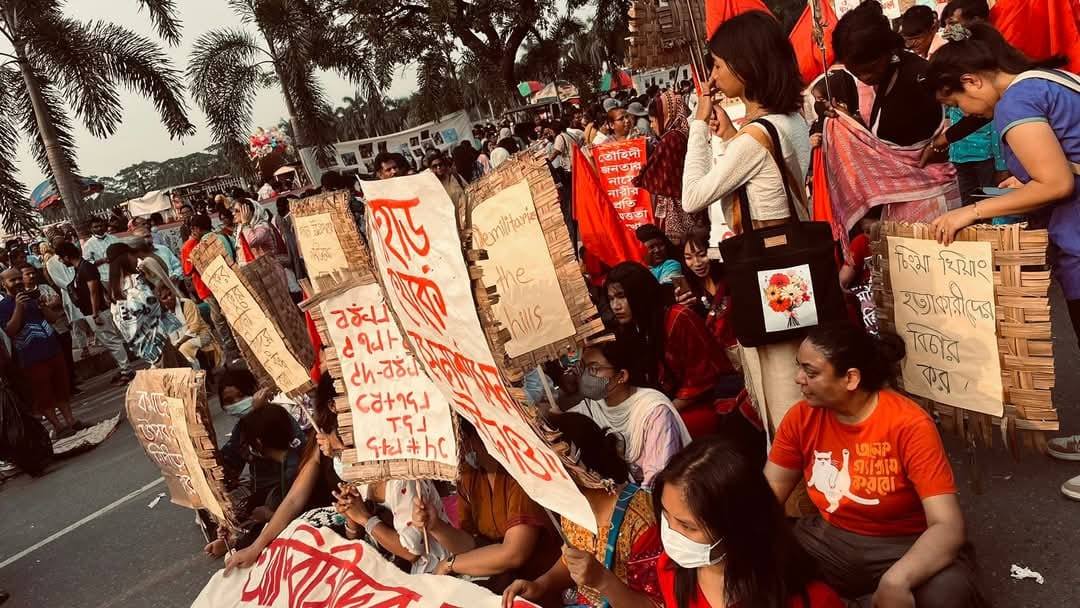
The Hijra and transgender population, despite official recognition as a third gender in 2013, continue to face severe stigma, violence, exclusion from education and healthcare, limited employment opportunities, and barriers to accessing sexual and reproductive health services and mental health support.
Criminalised and marginalised despite ambiguous legal status, sex workers experience routine harassment, violence, denial of justice, exclusion from health services (including SRHR), mental health trauma from stigma, and vulnerability to gender-based violence with minimal recourse to protection.
Growing up without care, education, or protection, street children face homelessness, malnutrition, health neglect, exploitation, abuse, mental health challenges from trauma, and cycles of poverty that deny them fundamental human rights and development opportunities.
Face compounded vulnerabilities including restricted SRHR access, GBV in multiple forms, mental health challenges from patriarchal oppression, limited economic opportunities, climate-induced displacement impacts, and barriers to leadership and decision-making.
Despite comprising the majority of Bangladesh's population, youth—particularly from marginalised backgrounds—face unemployment, limited civic participation, inadequate mental health support, climate anxiety, restricted SRHR information, and tokenisation rather than genuine leadership opportunities.
Sylhet Division's vulnerability to floods, waterlogging, and climate disasters disproportionately impacts marginalised communities, particularly women and gender-diverse people who face heightened GBV risks, SRHR service disruptions, and mental health crises during disasters.
AAYWA exists to dismantle these intersecting systems of oppression and build a just, inclusive, climate-resilient future for all.
A just and inclusive society in Sylhet Division and beyond where every person—regardless of gender identity, sexual orientation, profession, caste, religion, or socioeconomic status—lives with dignity, exercises full human rights, accesses comprehensive SRHR and mental health services, participates equally in climate-resilient development, and thrives free from discrimination, violence, and injustice.
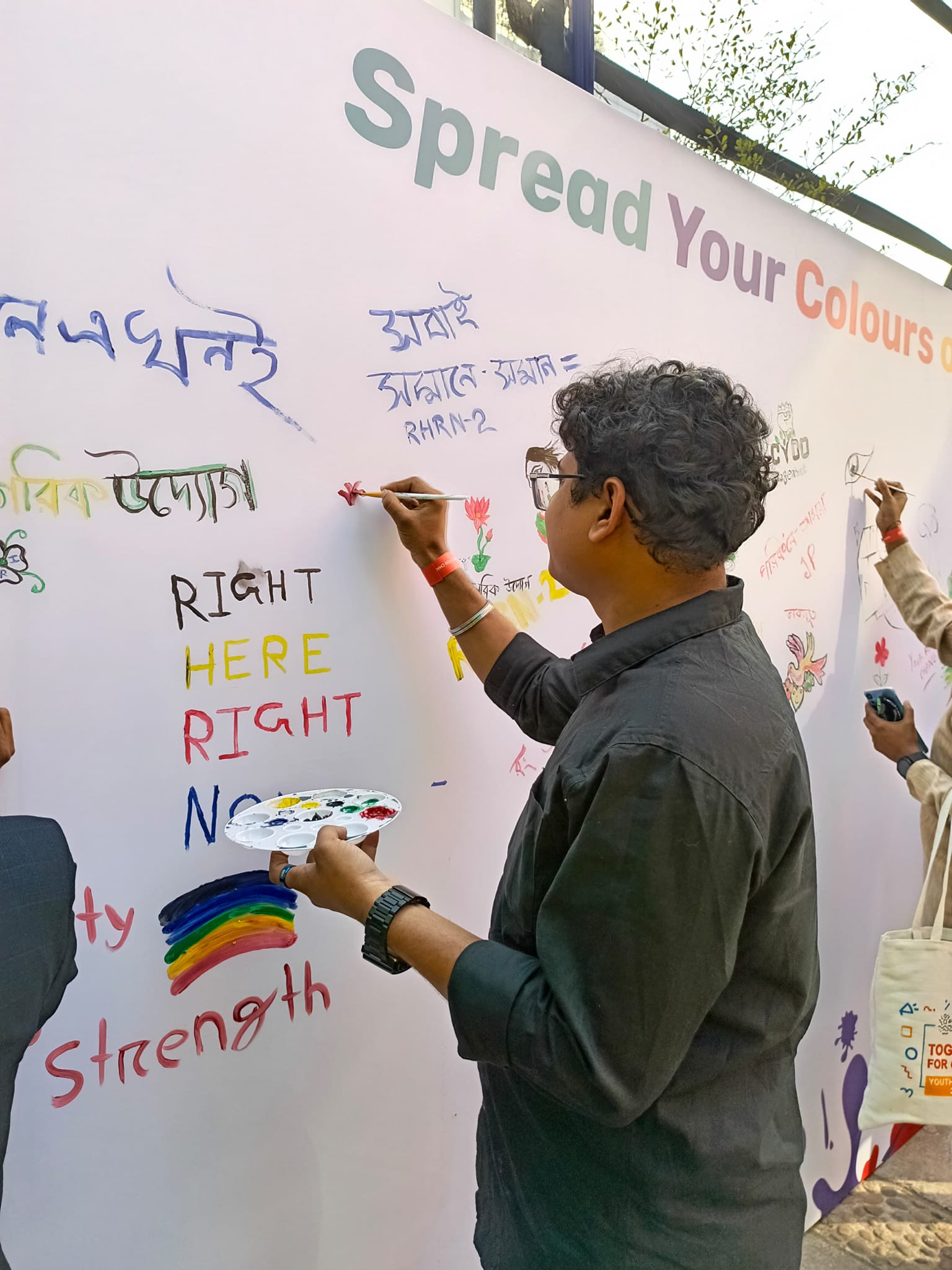
To empower and uplift Hijra and transgender people, sex workers, street children, women, youth, and other marginalised communities in Sylhet Division through:
We work toward equitable participation, dignified livelihoods, bodily autonomy, mental well-being, climate resilience, and transformative justice for communities historically excluded from development processes.
We recognise that discrimination based on gender, sexuality, class, caste, religion, ethnicity, and ability intersects and compounds. We centre the most marginalised in our work.
Every person possesses inherent worth and inalienable rights—to bodily autonomy, health, education, justice, participation, and freedom from violence.
We prioritise the voices, choices, agency, and leadership of survivors of violence, marginalisation, and oppression in all programming and advocacy.
We challenge patriarchal systems, toxic masculinity, and gender binaries while affirming diverse gender identities and expressions.
We maintain rigorous financial integrity, participatory governance, and responsiveness to community feedback.
We recognise climate change as a justice issue disproportionately impacting marginalised communities and commit to gender-responsive, community-led climate action.
Marginalised communities—particularly transgender people, sex workers, youth, and women—face severe barriers to SRHR information, services, and autonomy.
Marginalised communities experience disproportionate mental health challenges from violence, stigma, discrimination, poverty, and climate disasters.
Hijra/transgender people, sex workers, women, girls, and street children face endemic GBV with minimal access to justice, protection, or support services.
Marginalised communities face systematic human rights violations requiring robust legal empowerment and advocacy.
Patriarchal structures limit women's economic opportunities, political participation, bodily autonomy, and decision-making power.
Sylhet Division's climate vulnerability disproportionately impacts marginalised communities, particularly women and gender-diverse people.
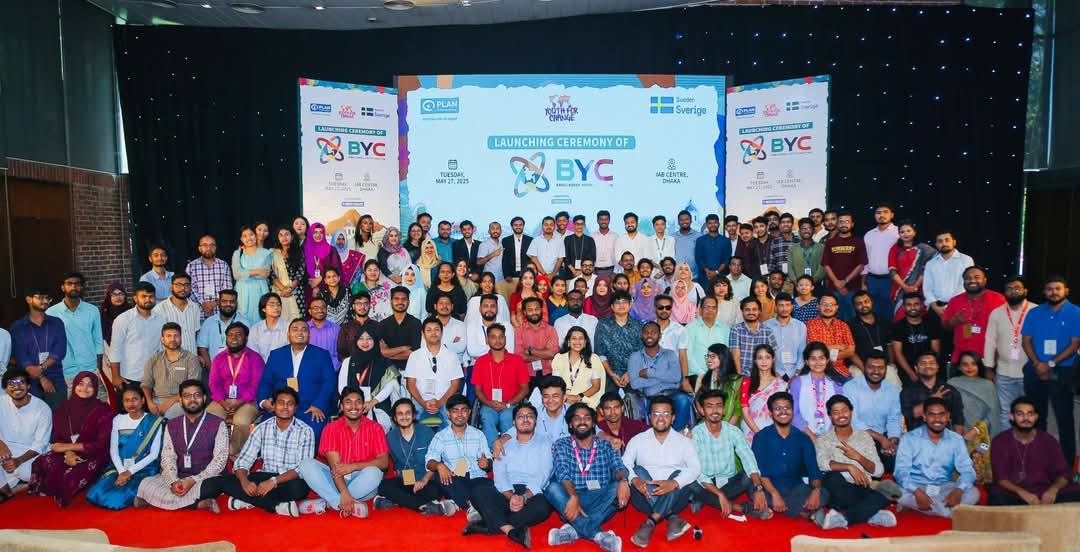
Youth—particularly from marginalized backgrounds—face exclusion from decision-making despite being drivers of change, requiring genuine leadership opportunities and civic engagement support.
Marginalized children and youth face exclusion from education due to poverty, discrimination, and systemic barriers, perpetuating cycles of poverty and marginalization.
Marginalized communities face disproportionate health vulnerabilities including HIV/AIDS, yet experience discrimination in healthcare and barriers to services.
Sustainable change requires organized, empowered communities capable of collective action, mutual support, and advocacy for systemic transformation.


AAYWA operates under a participatory governance model with community representation and transparent decision-making.
| Position | Number |
|---|---|
| President | 1 |
| Vice President | 1 |
| Secretary | 1 |
| Joint Secretary | 1 |
| Treasurer | 1 |
| Executive Members | 2 |
| Total | 7 |
Representatives from Hijra/transgender communities, sex worker collectives, youth networks, women's groups, climate-affected populations, and partner organizations provide ongoing guidance ensuring community voices shape organizational direction.
Program priorities, strategies, and evaluations involve beneficiary communities through regular consultations, feedback mechanisms, and co-design processes.
AAYWA maintains rigorous policies ensuring ethical, safe, accountable operations:
Affirms gender diversity, challenges discrimination, ensures trans-inclusive practices, mandates gender-responsive programming.
Zero-tolerance for abuse, exploitation, harassment; comprehensive reporting mechanisms; survivor-centered response protocols; child protection standards.
Affirms bodily autonomy, confidentiality, non-judgmental service provision, comprehensive sexuality education, harm reduction approaches.
Trauma-informed organizational culture, staff wellbeing support, destigmatized help-seeking, accessible psychosocial services.
Fair recruitment, safe working conditions, anti-discrimination protections, capacity building, staff mental health support.
Transparent accounting, audit compliance, ethical procurement, beneficiary participation in budgeting.
Secure data handling, informed consent, anonymity protections, particularly for sensitive SRHR/GBV data.
Low-carbon operations, disaster preparedness, gender-responsive climate action, environmental sustainability.
Safe programming for minors, background checks, age-appropriate engagement, parental consent protocols.
Ethical behavior standards, respect for communities, prohibition of exploitation, conflict of interest management.
AAYWA collaborates with diverse stakeholders to amplify impact:
Beneficiaries participate in defining success indicators, data collection, and assessment.
Regular community feedback sessions, outcome harvesting, most significant change methodology.
Continuous assessment of safeguarding implementation, incident tracking, survivor-centered response evaluation.
Regular reflection sessions, documentation of lessons learned, adaptive management, knowledge sharing across programs.
Public accountability reports, financial disclosures, impact storytelling centering community voices.
AAYWA commits to walking alongside marginalized communities—not ahead of them—in the journey toward justice, dignity, and liberation. We believe that true development cannot occur without dismantling systems of oppression and centering those most impacted by injustice.
Our work is guided by the belief that:
"Ashar Alo" means "Ray of Hope." We strive to be that hope—not by providing charity, but by building power, justice, and solidarity with communities fighting for their liberation.
Together, we are building a Sylhet Division—and a Bangladesh—where every person can thrive with dignity, equality, and hope.
Empowering Communities | Advancing Rights | Building Justice
Established 2019 | Registered 2021